In 2023, Armenia lost a decades-long intermittent war against neighboring Azerbaijan over Nagorno-Karabakh. Since then Nikol Pashinyan, Armenia’s prime minister, has been trying to wrest a diplomatic victory from the jaws of military defeat. Let down by Russia, Armenia’s longtime patron, he is pivoting to America and Europe and working on a peace treaty with Azerbaijan, The Economist writes ( https://www.economist.com/europe/2026/05/14/armenias-election-will-test-its-leaders-pivot-to-the-west ).
Many Armenians do not like Pashinyan. The walls of Armenian capital Yerevan are covered with images of fallen soldiers, reminiscent of his failures during the war.
The Economist recalls that on May 4-5, Armenia hosted a summit of the European Political Community, during which protesters outside waved Nagorno-Karabakh flags. Some refugees from the region wanted the bodies of their deceased relatives to be transferred to Armenia, others called on Azerbaijan to release the Armenian prisoners of war.
Some protesters believe Armenia’s pro-Western turn will backfire. It is turning Armenia into an arena for geopolitical games, one protester said.
Armenia’s Nationalist politicians are also expressing discontent, The Economist added. The Russian Armenian businessman Samvel Karapetyan, who heads one of the most prominent opposition group in Armenia, is under house arrest for calling for the overthrow of the government—but he denies the charges. Karapetyan has accused the Armenian government of giving in to Azerbaijan’s demands. He says Pashinyan is trying to provoke a war with Russia. Such views are not uncommon in Yerevan, but are less common in Armenia’s rural areas where the government has built roads and schools, The Economist notes.
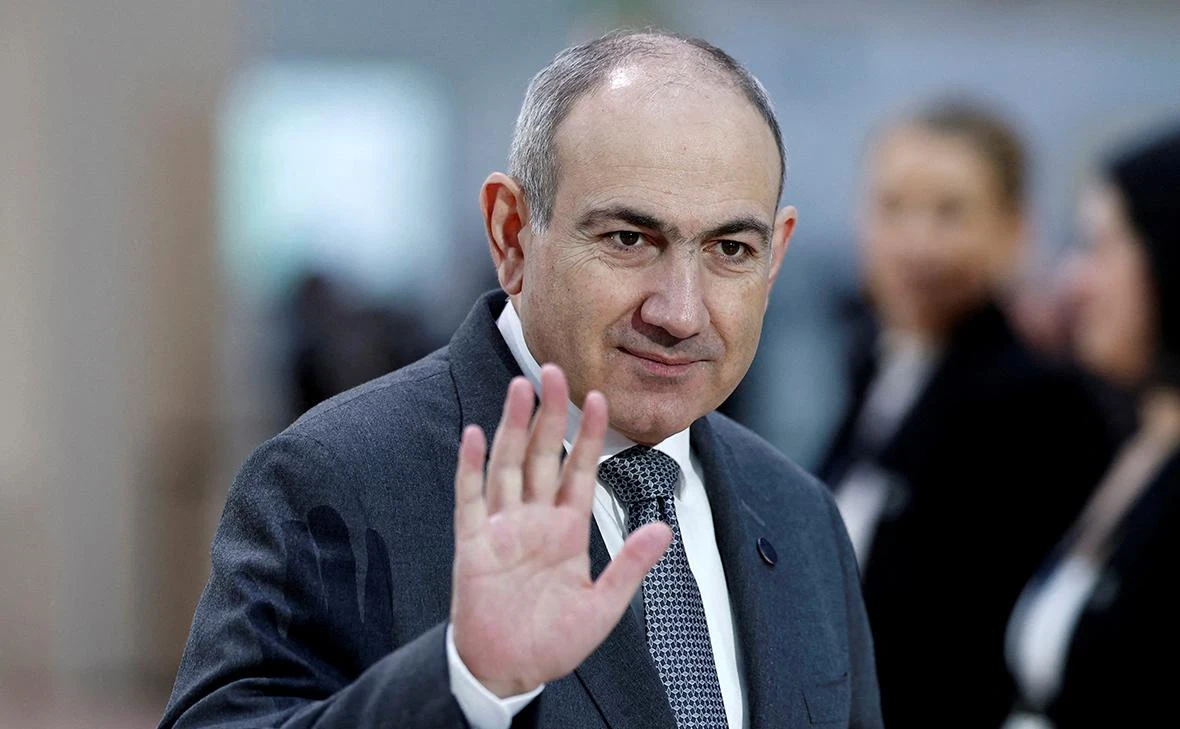
Also, it highlighted that Pashinyan has shortcomings. His fight against corruption has weakened, and his populist style is irritating his opponents.
“You get a lot more monologue than dialogue from Pashinyan,” says Thomas de Waal of Carnegie Europe, a think-tank.
The Kremlin could also intervene, The Economist writes. Russia supplies 85 percent of Armenia’s natural gas and has a military base in the country. Russian companies own vital infrastructure in Armenia, a legacy of debt relief agreements signed by the country’s previous authorities. Russia recently banned the sale of some Jermuk company mineral water shipments to the country on dubious sanitary grounds. Such a tactic is likely to only deepen Armenians’ distrust of their former patron, The Economist concludes.
Source: https://news.am/en/news/1035684
Armenia
The Economist reflects on Armenia PM Pashinyan’s shortcomings: Lot more monologue than dialogue
Article Top Ad Zone
Article Middle Ad Zone
Article Bottom Ad Zone
Original Source: news.am
Share
Comments
Comment system is currently disabled.