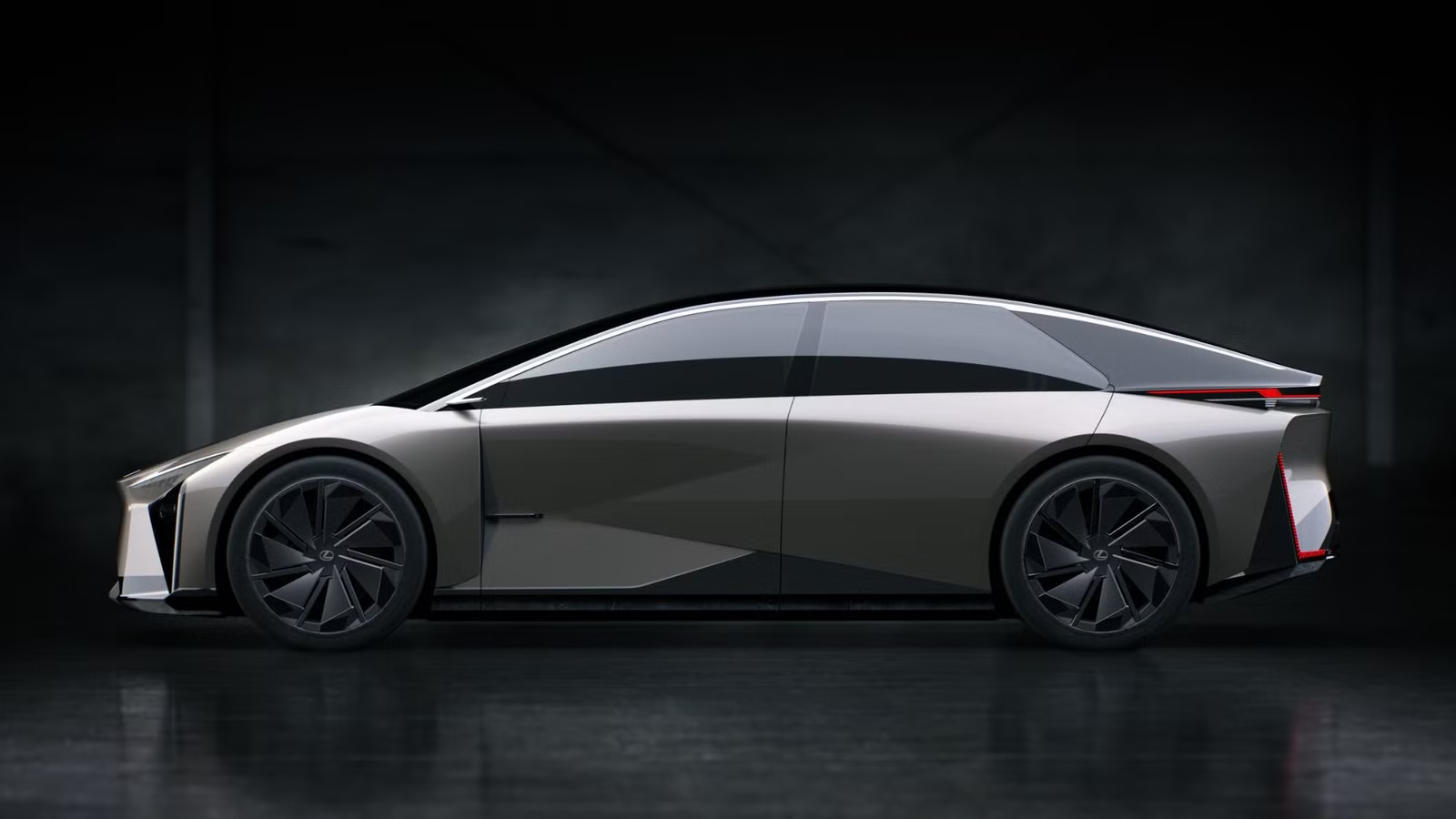
Lexus's most ambitious electric concept is dead. Toyota has confirmed it has scrapped production plans for the LF-ZC, the sleek flagship sedan that was supposed to lead the brand into a new era of electric performance. The car was originally targeted for a 2027 launch, and its cancellation closes the door on what was meant to be Lexus's most credible answer to the growing field of electric flagship machines.
Follow and Like top authors, topics, and trends
Browse with fewer ads across the site
Personalize your profile to showcase your activity
Get a content feed tailored to your interests
By creating an account, you agree to our Terms of Use and Privacy Policy. You also agree to receive our newsletters; you can unsubscribe any time.
*Required: 8 chars, 1 capital letter, 1 number
When Lexus pulled the covers off the LF-ZC concept at the Japan Mobility Show in 2023, the message was clear: this was the car that would define what the brand could do in an electric era. The design was sharp and low-slung, a dramatic departure from Lexus's current lineup, and the concept carried strong signals of genuine flagship intent — not just a styling exercise.
The LF-ZC was positioned as a next-generation platform vehicle, one that would showcase new battery technology and a fundamentally different approach to EV architecture. For a brand that built its reputation on the LC 500 and LFA, the concept represented a logical next chapter — a flagship vehicle that could carry Lexus credibility into a segment where rivals were already staking claims. Production was originally planned to begin this year, with plans later pushed back to a 2027 market arrival before cancellation. That timeline is now gone.
Lexus isn't alone in this. Lamborghini's Lanzador, the brand's first fully electric concept and a would-be Urus successor in spirit, has faced its own uncertain production path. Honda bailed on its O-Series EVs, and Acura killed the electric RSX before it could see the light of day. The pattern is consistent: a stunning concept generates headlines and goodwill, production reality intervenes, and the gap between promise and delivery quietly erodes brand trust with the audience that cared most.
Ferrari's Luce arrival makes the Lexus retreat feel sharper by contrast. When one brand delivers on its electric halo promise while another cancels, the comparison writes itself. Lexus had positioned the LF-ZC as a genuine competitor in that conversation, a car that could justify the brand's premium positioning against European rivals moving aggressively into electric performance territory. Without it, that argument is harder to make.
Reports indicate Toyota's broader pullback from EV development plans is part of the context here, with Honda, Mazda, and Subaru all scaling back electric ambitions as global demand growth has slowed and U.S. incentive structures have shifted. The LF-ZC cancellation fits that pattern, but the flagship nature of the car makes it a more visible casualty than a mainstream model cut.
Canceled flagship concepts carry a cost that outlasts the press release. The LFA's legacy still shapes how enthusiasts think about what Lexus is capable of, and the LF-ZC was supposed to be the electric equivalent of that ambition signal. Without that flagship EV in the pipeline, Lexus is building upon its electric lineup with more mainstream EVs like the ES and TZ that don't move the needle for performance-oriented buyers.
The brand has confirmed it will double down on its existing platforms rather than pursue the next-generation architecture the LF-ZC was meant to introduce. That's a pragmatic call, but it leaves a gap in the brand's story at exactly the moment competitors are filling theirs. Enthusiasts have long memories for concepts that never arrived — and the LF-ZC, with its 2023 reveal and genuine production intent, will be remembered as more than just a show car that was always too good to be true.
For Lexus loyalists, the hope now rests on whether the brand can find another path to a credible electric flagship, one that doesn't start with a concept and end with a cancellation notice.
Despite the cancellation of the LF-ZC, Lexus' EV efforts aren't dead. It recently launched the TZ using an existing platform, which might make more financial sense at a time when enthusiasm for EVs has dwindled compared to a few years ago. Lexus also showed the electric LFA concept back in December, and much more than the familiar name piqued our interest. We'd still love to see that one come to fruition as a high-performance EV flagship, though if we get something at all similar to the concept, we'll be happy, even if it ends up sporting a hybrid powertrain.
Source: https://www.topspeed.com/lf-zc-supposed-to-be-lexuss-answer-ev-war-now-gone/
Cars
Lexus Cancels LF-ZC Electric Flagship Production Plans
Article Top Ad Zone
Article Middle Ad Zone
Article Bottom Ad Zone
Original Source: www.topspeed.com
Share
Comments
Comment system is currently disabled.